Scan to contact WeChat support
Declaration / Privacy
© 2025 Tidence Labs.


Screenshots (8)
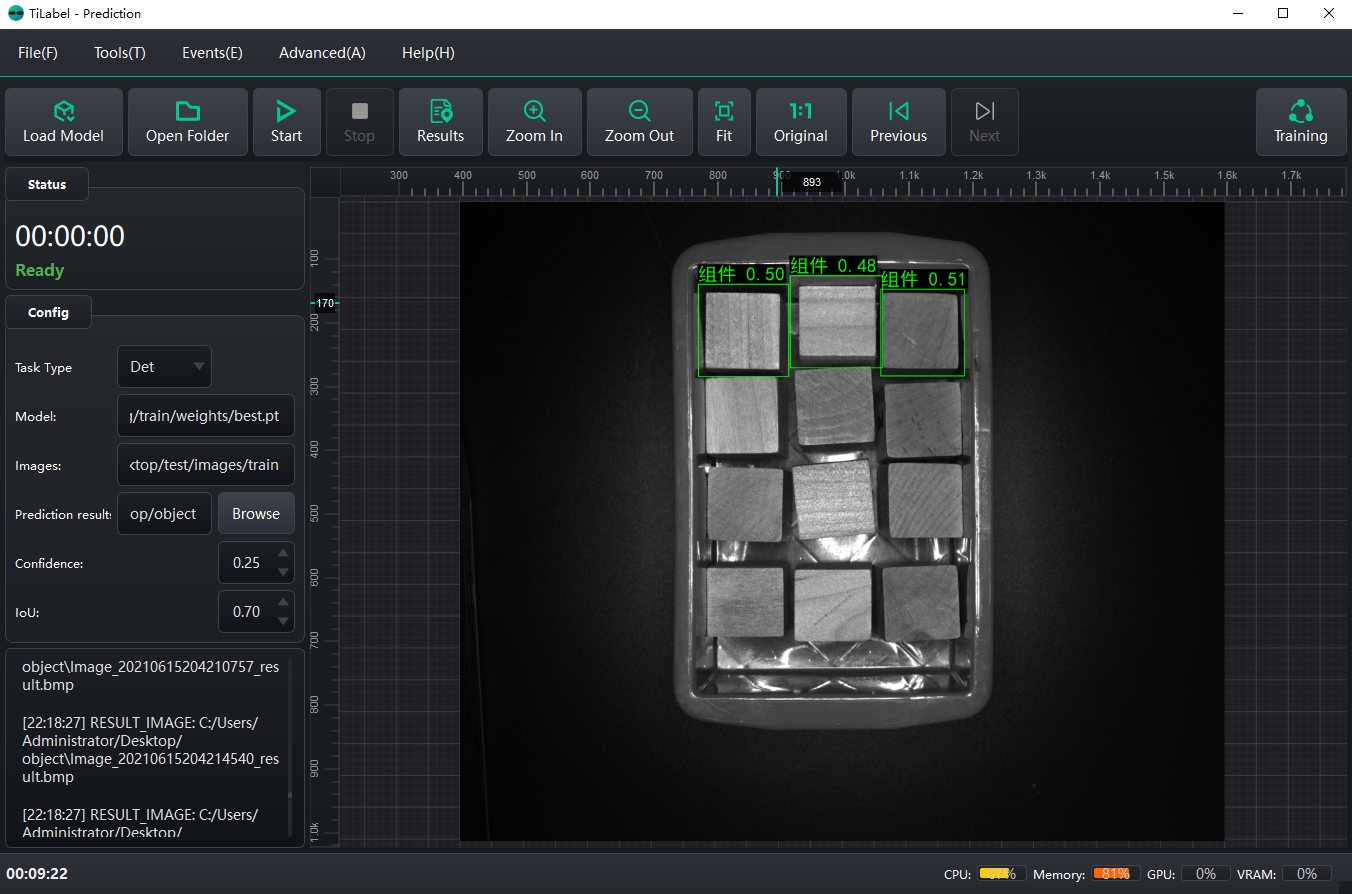
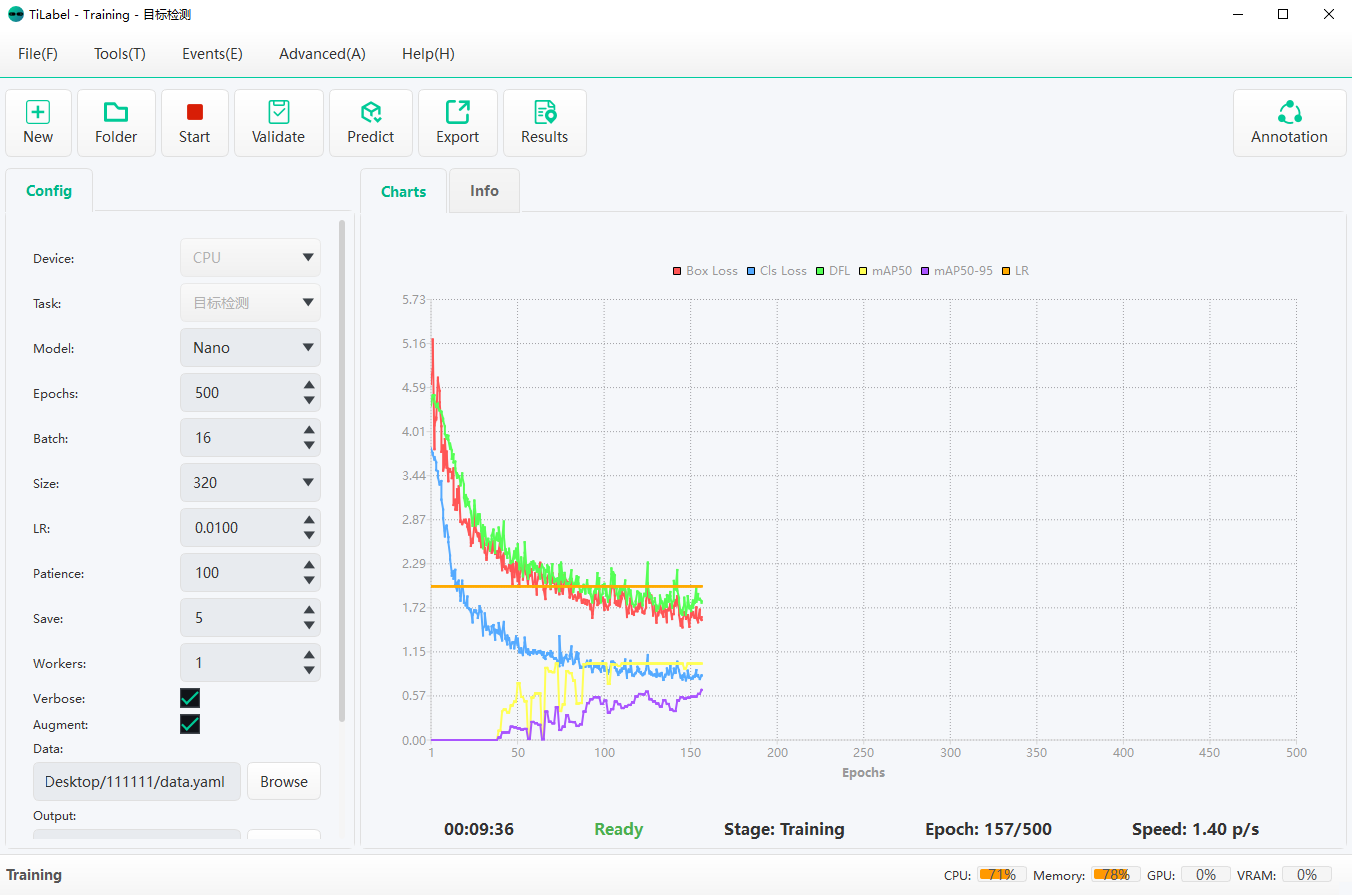
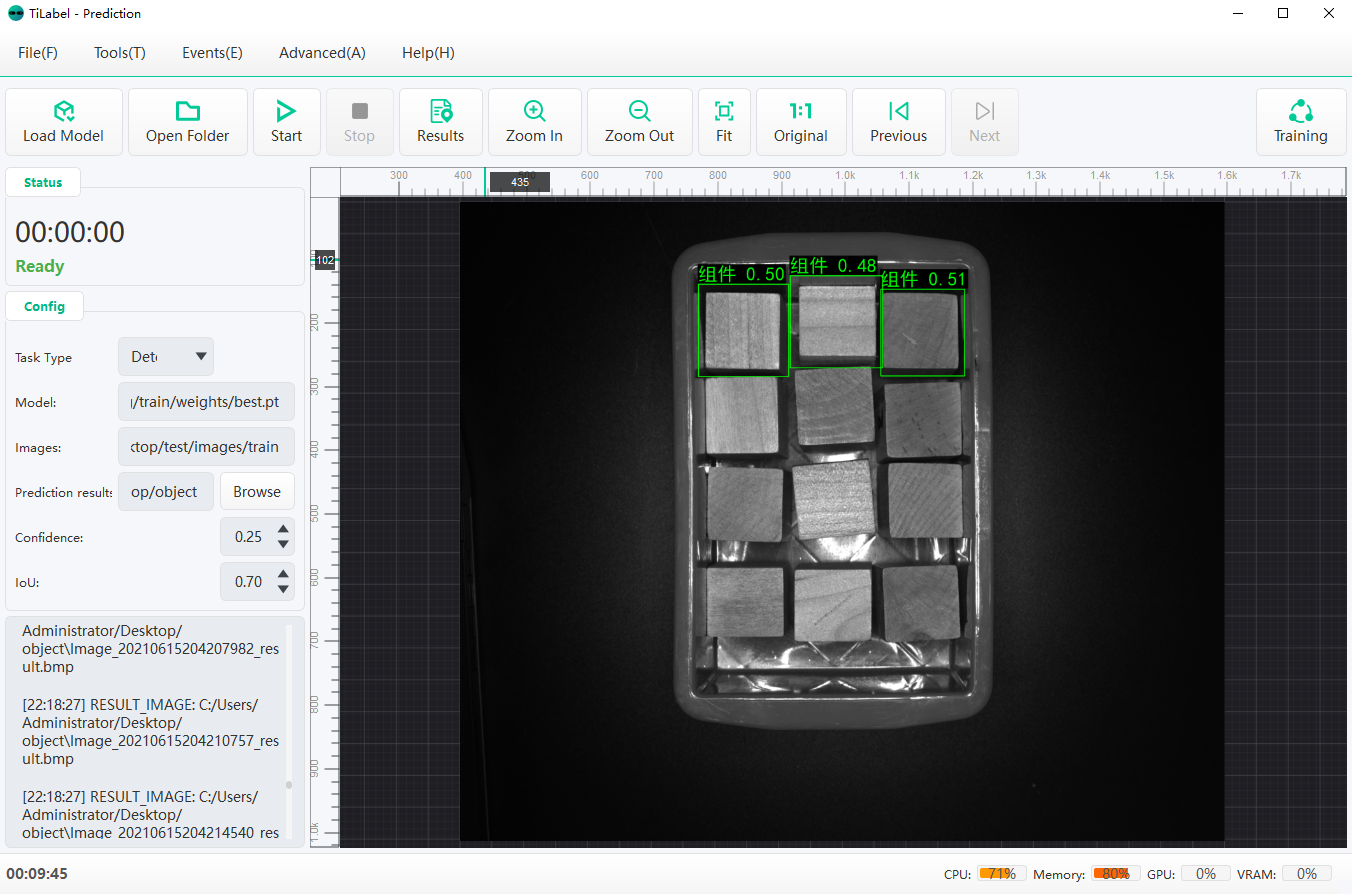
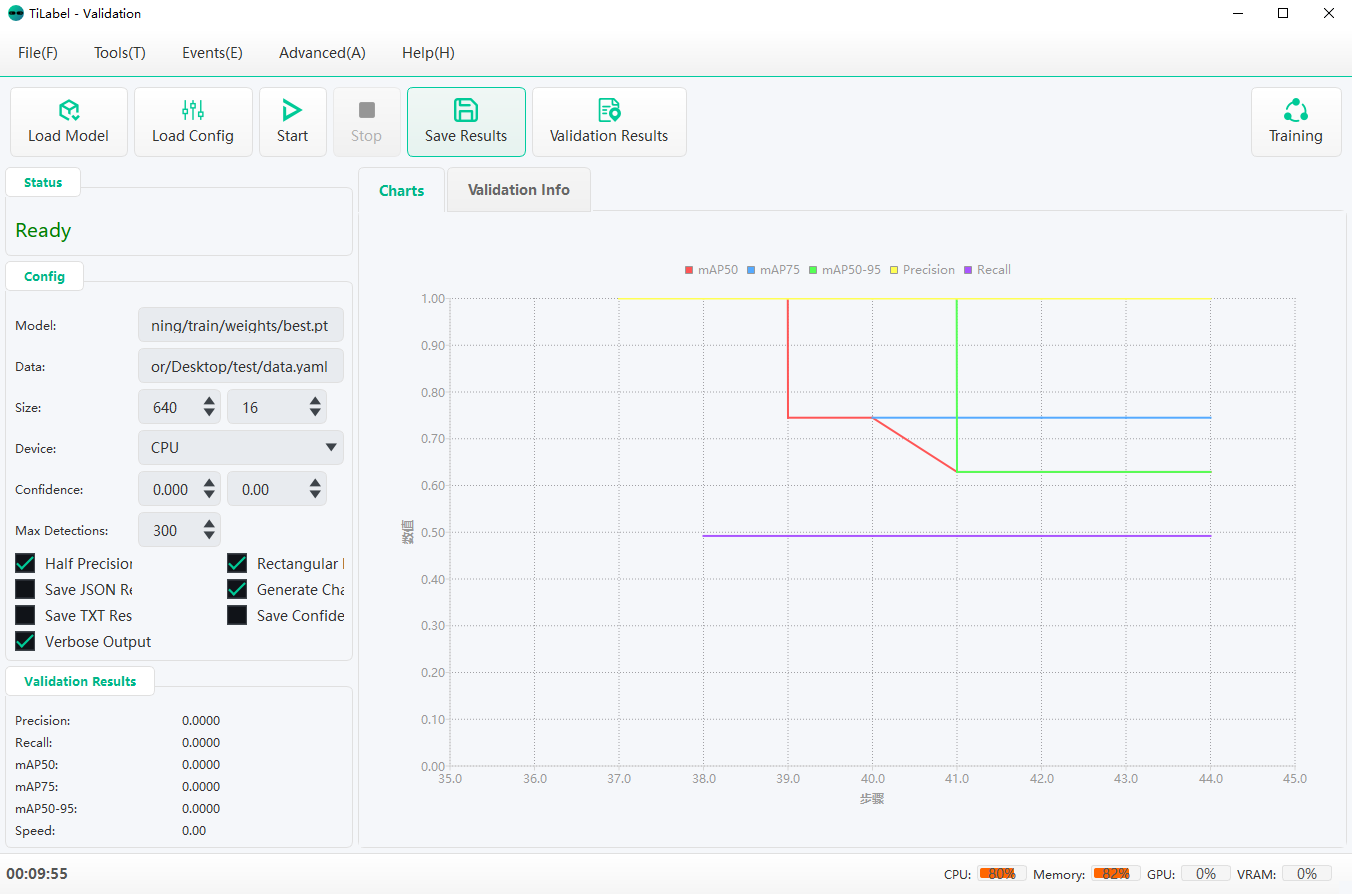
Software Introduction
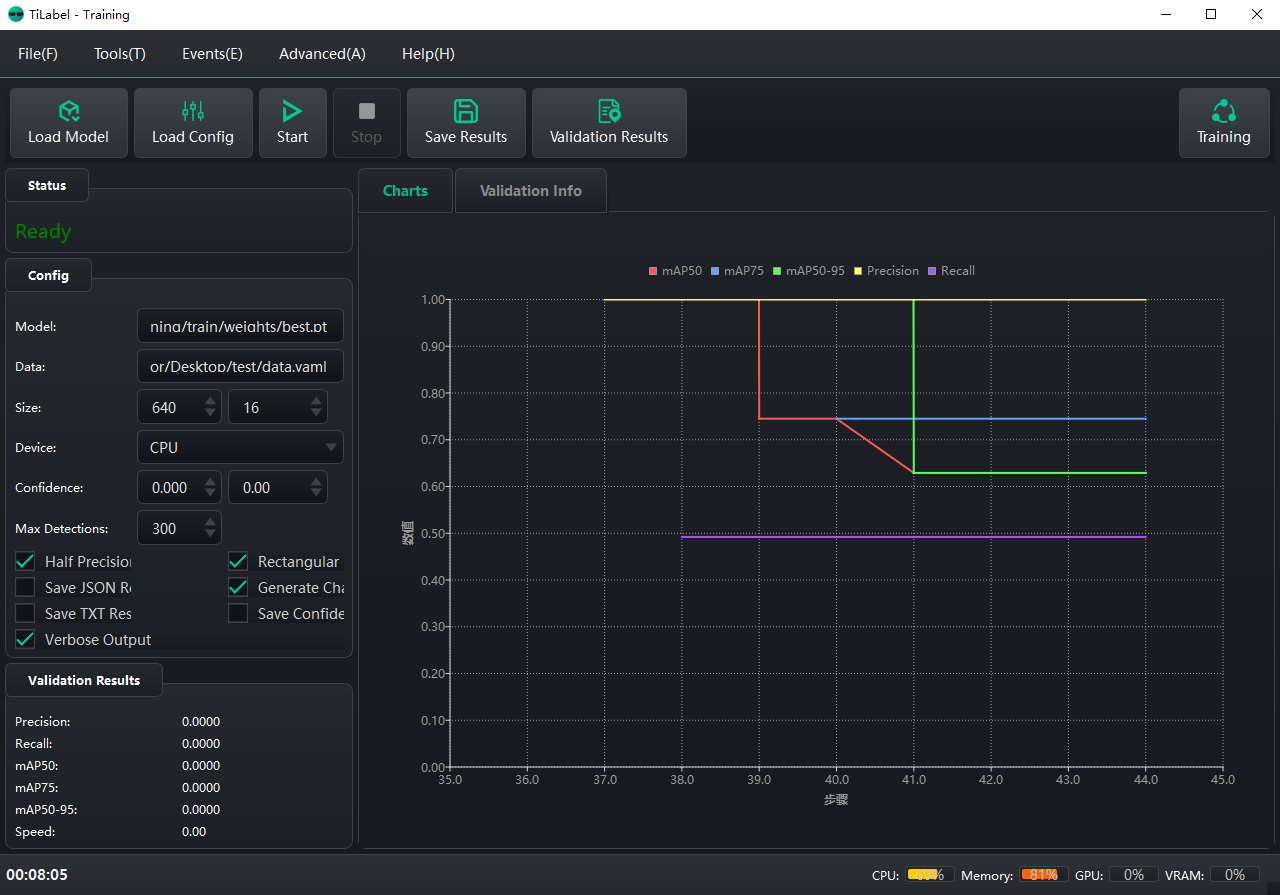
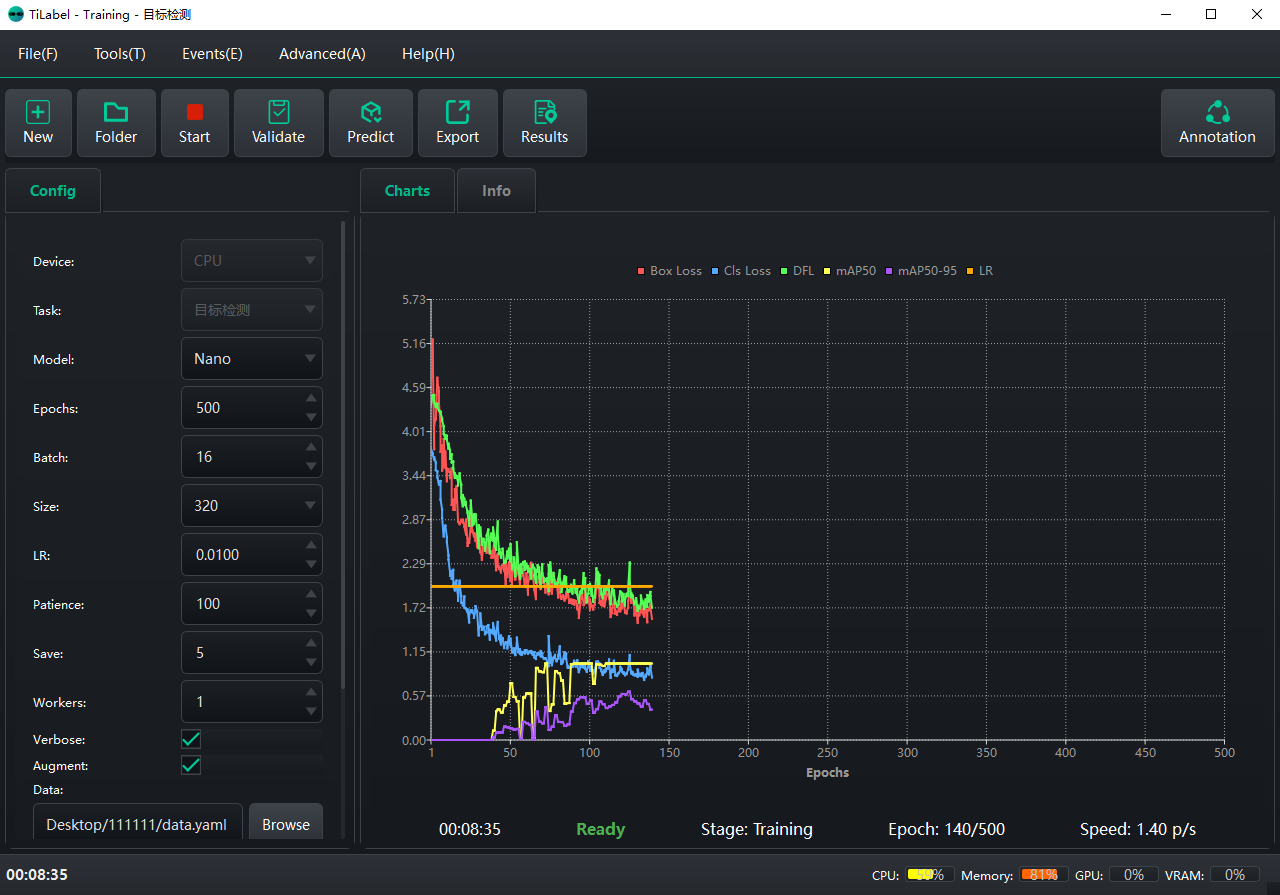
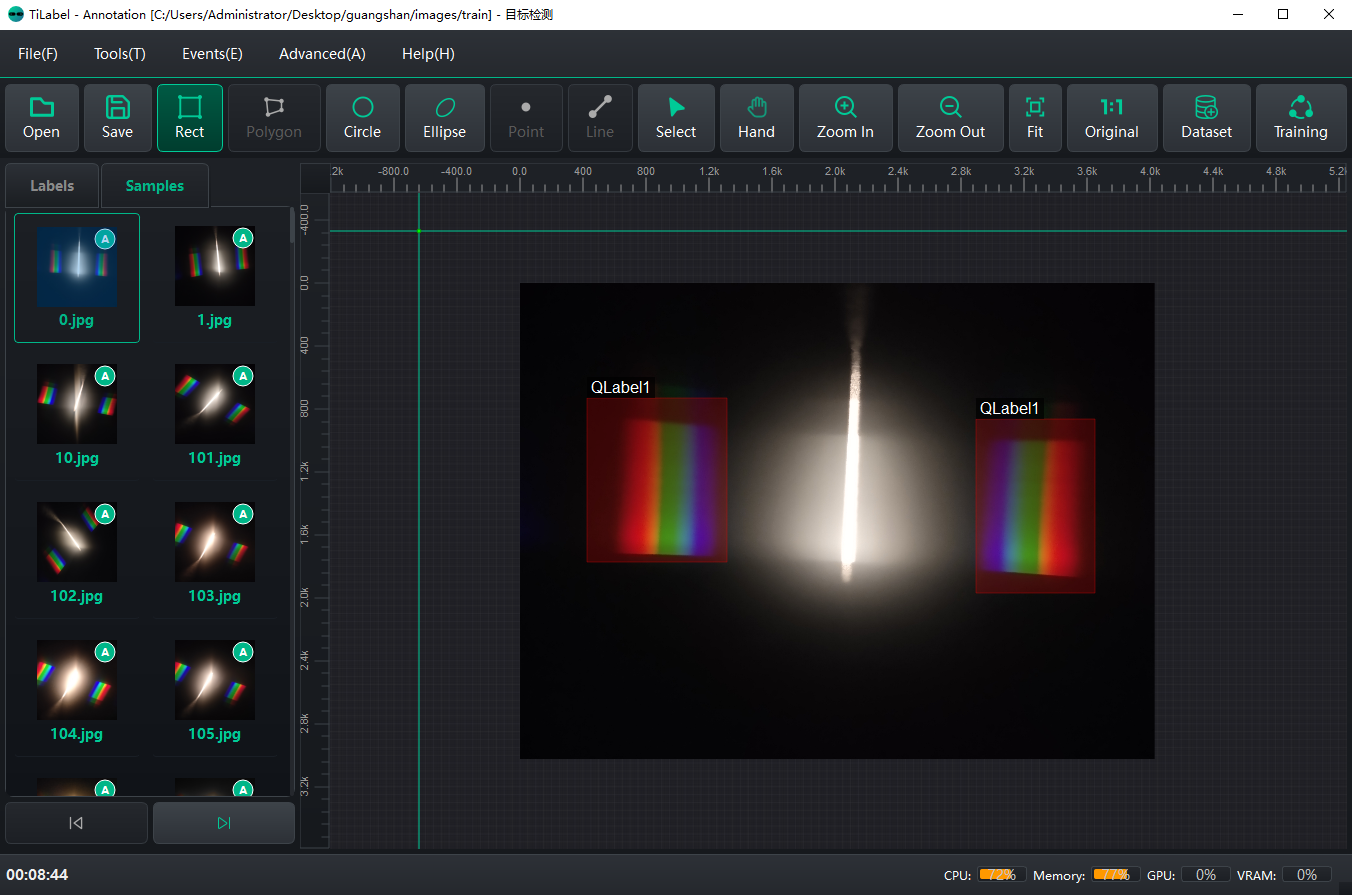
TiVision is an all-in-one professional computer vision platform that integrates image annotation, model training, validation prediction, and multi-format model export. The software adopts advanced training algorithms and inference architecture, supports multiple computer vision tasks, and provides a complete workflow solution from data annotation to model deployment. TiVision is committed to providing computer vision practitioners with a professional, efficient, and user-friendly tool platform to promote the application of AI technology across various industries.
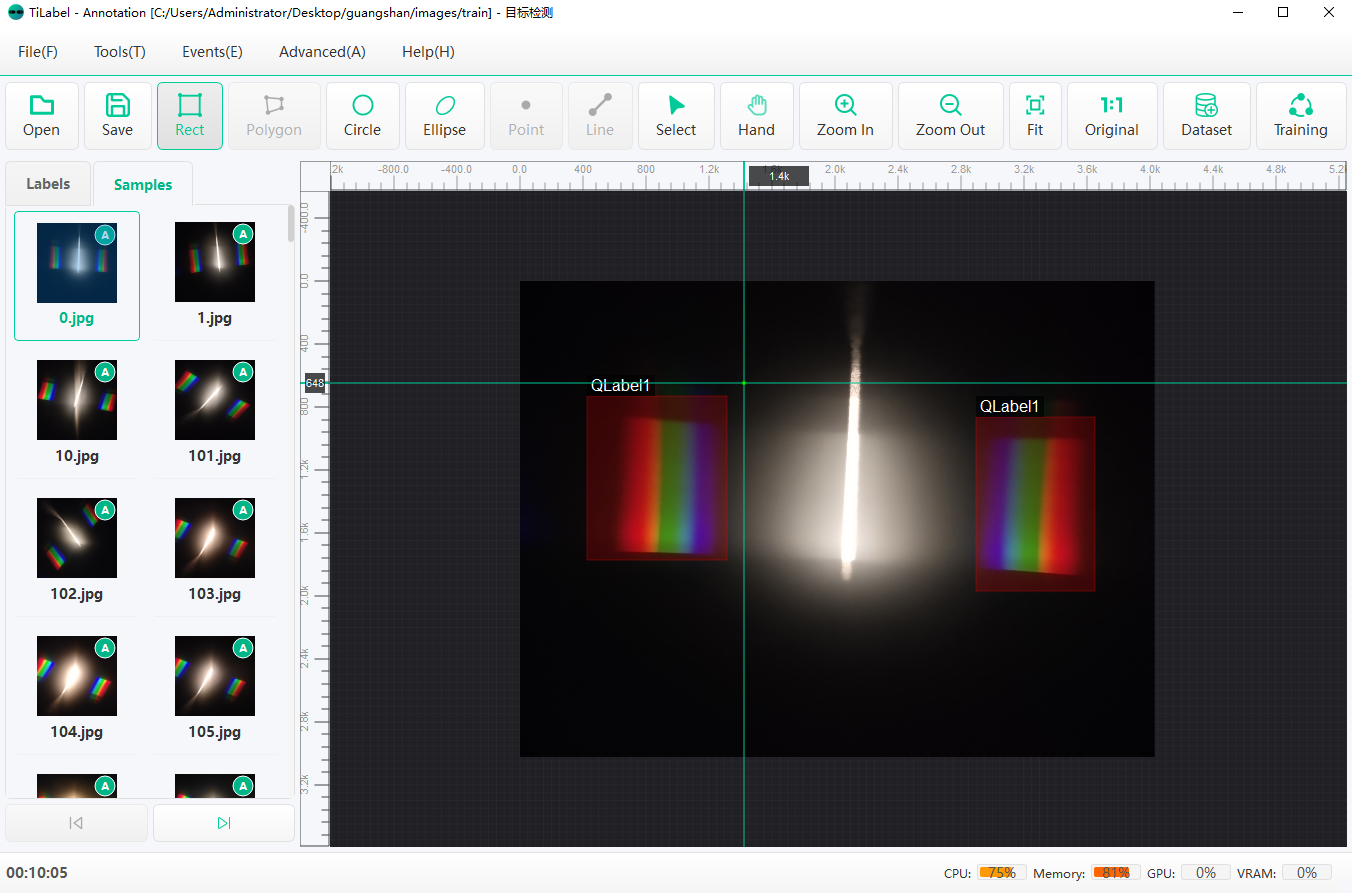
Multi-functional Annotation Center
Multi-type Annotation Support: Various annotation tools including rectangle, polygon, circle, ellipse, point, line, etc.
Smart Ruler System: Integrated precision ruler tool supporting pixel-level accurate positioning and measurement
Category Management: Flexible category system supporting color customization and batch management
Sample Management: Intelligent dataset sample management with real-time annotation status display
Intelligent Training Center
Multi-task Support: Object detection, instance segmentation, pose estimation, image classification, oriented detection, semantic segmentation (under development), panoptic segmentation (under development), multi-task learning (under development)
Multiple Model Sizes: Nano, small, medium, large, and extra-large model sizes
Adaptive Parameter Optimization: Automatically recommends optimal parameters based on task type
Real-time Monitoring: Visualized training process with real-time display of loss curves and accuracy metrics
Validation and Prediction Center
Model Validation: Comprehensive metric evaluation including mAP, confusion matrix, etc.
Real-time Prediction: Supports single image and batch prediction
Result Visualization: Overlay display of detection results with adjustable confidence levels
Performance Monitoring: Real-time monitoring of CPU usage and memory consumption
Smart Environment Integration
Embedded Python: Built-in Python environment, no additional configuration required
Offline Deployment: Network-independent, completely offline usage
Professional User Experience
Dual Theme Support: Dark/Light themes to reduce visual fatigue
Shortcut Key System: Customizable shortcut key configuration
Multi-language Support: Simplified Chinese, Traditional Chinese, English
Common Application Fields
Industrial Manufacturing: Defect detection, product quality control, production line monitoring, etc.
Autonomous Driving: Traffic sign recognition, pedestrian detection, vehicle recognition, etc.
Medical Imaging: Lesion detection, cell segmentation, medical image analysis, etc.
Retail Industry: Product recognition, inventory management, customer behavior analysis, etc.
Smart Agriculture: Crop monitoring, pest detection, yield estimation, etc.
System Requirements
Operating System: Windows 10/11
Memory: Minimum 8GB, recommended 16GB or above
Storage: At least 10GB available space
Technical Advantages
Integrated Workflow: Full-process coverage from data annotation to model deployment
High-performance Inference: Based on advanced algorithm architecture
User-friendly: Intuitive interface design lowering the usage threshold
High Scalability: Modular design supporting functional expansion
Note: The current version is CPU-only. Training speed remains fast, and training small-sample models completely does not require GPU. With limited resources, we will focus on software feature development. Documentation introduction is subject to actual functions.